

BLOG
BLOG
knowledge
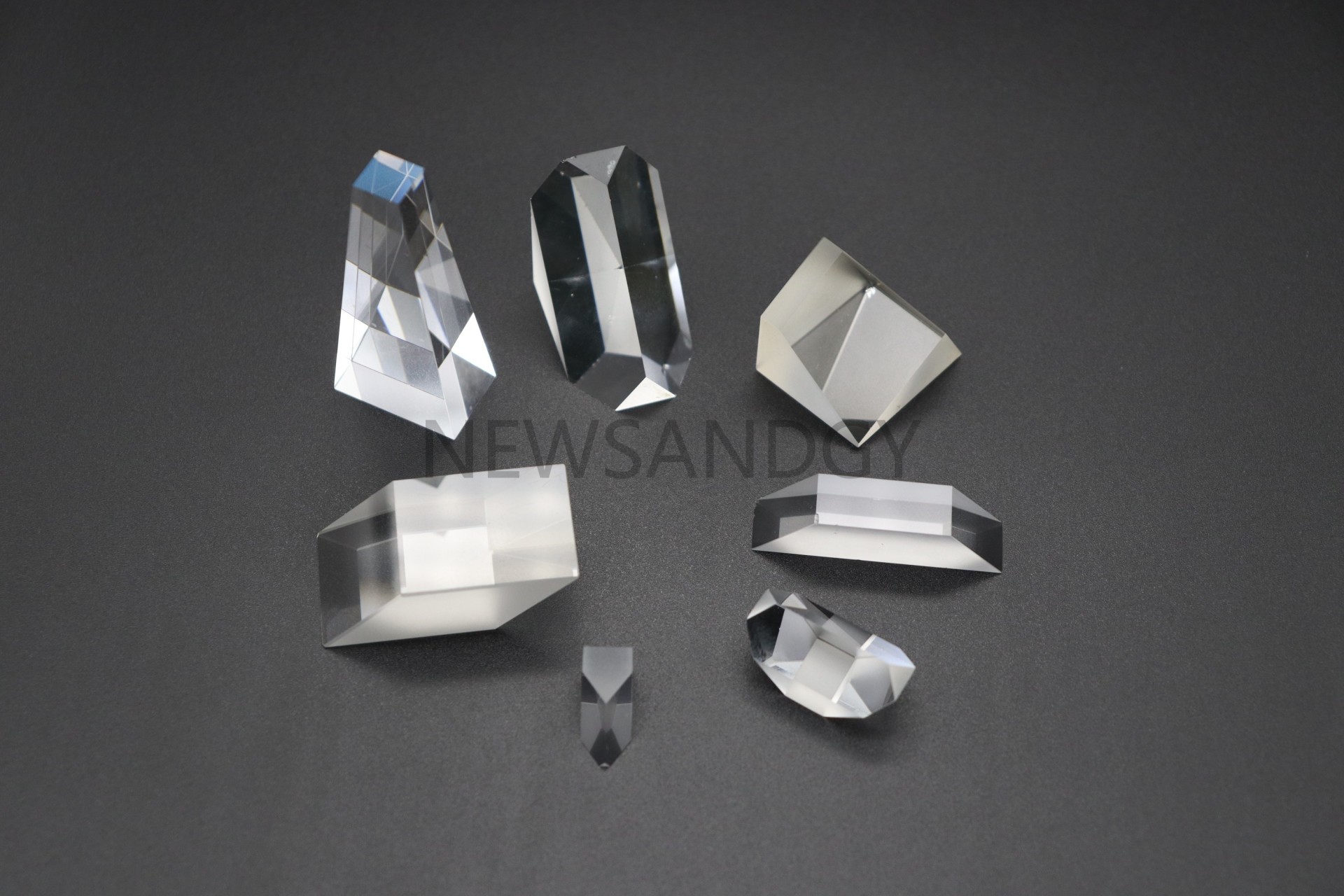
Polarizing Cubes vs. Traditional Lenses: Understanding the Key Differences and Applications
Polarizing Cubes vs. Traditional Lenses: Understanding the Key Differences and Applications Table of Contents 1. Introduction to Optical Components 2. What Are Polarizing Cubes? 3. Traditional Lenses: An Overview 4. Key Differences Between Polarizing Cubes and Traditional Lenses 5. Advantages of Using Polarizing Cubes 6. Benefits of Traditional Lenses 7. Applications of Polarizing Cubes in Various
2026-02-07

Understanding the Role of Scanning Galvanometers in Optical Instruments
Scanning galvanometers are essential components in various optical applications, primarily serving as devices that precisely control the positioning of laser beams. Their ability to convert electrical signals into angular movement makes them invaluable in fields such as laser scanning, microscopy, and material processing. This technology is pivotal in enhancing the performance and accuracy of opti
2026-02-02

Beamsplitter Prisms in Industrial Applications: A Comprehensive Overview
Beamsplitter Prisms in Industrial Applications: A Comprehensive Overview Table of Contents 1. Introduction to Beamsplitter Prisms 2. What Are Beamsplitter Prisms? 3. Types of Beamsplitter Prisms 3.1 Cube Beamsplitters 3.2 Plate Beamsplitters 3.3 Polarizing Beamsplitters 4. Mechanism of Action 5. Industrial Applications of B
2026-01-28

Understanding Optical Waveplates: Essential Tools in Optical Instruments
Optical waveplates, also known as phase plates, are essential components in optical systems, particularly in applications that require the manipulation of light polarization. These devices are typically made from birefringent materials, which exhibit different refractive indices for light polarized in different directions. As a result, they can alter the phase of light waves passing through them,
2026-01-23
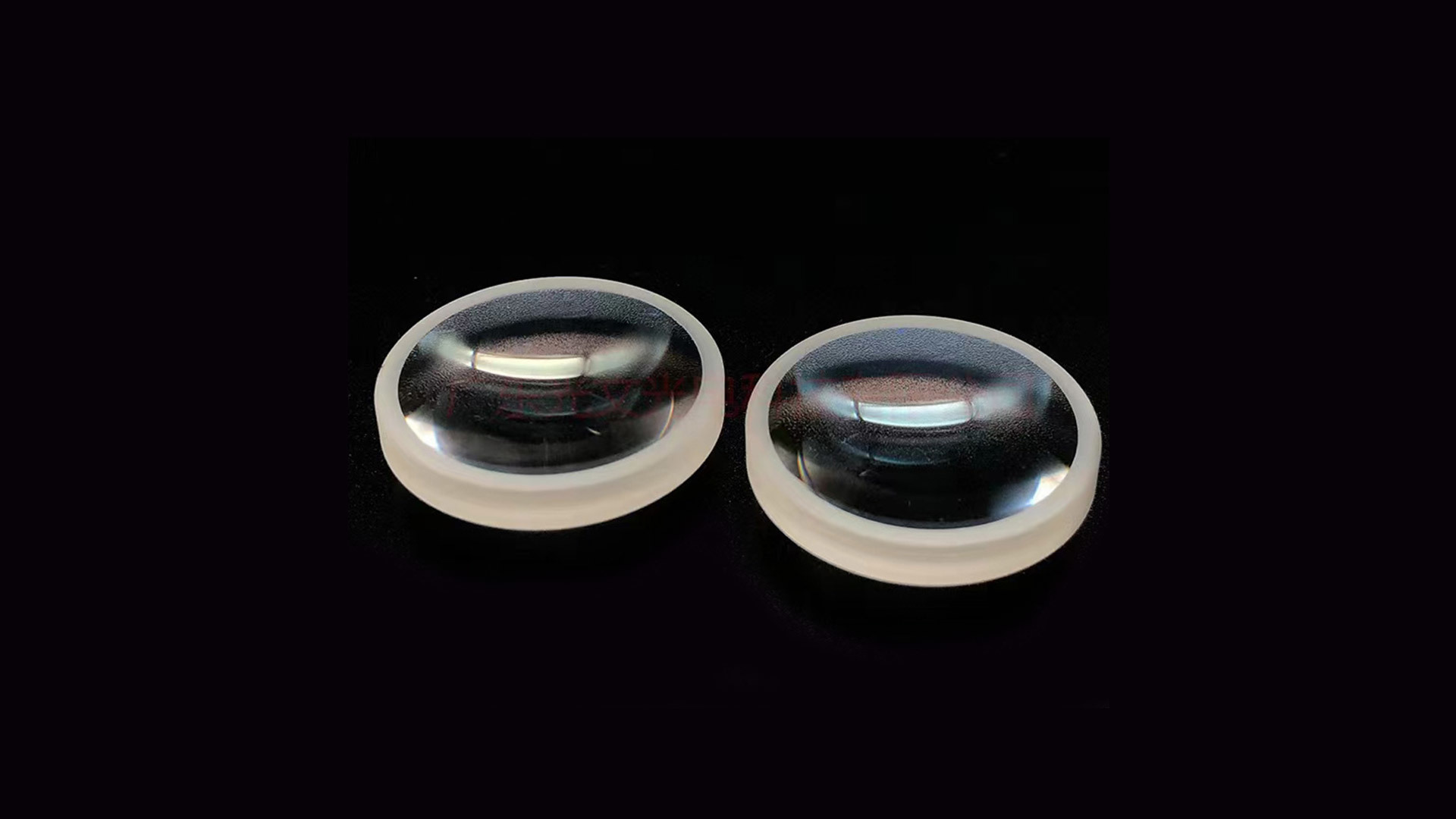
Understanding Quarter Waveplates: Essential Tools for Optical Applications
Quarter waveplates are critical components in the field of optics, particularly in enhancing the performance of various optical systems. These devices are designed to introduce a phase shift of 90 degrees (or one-quarter of a wavelength) between two orthogonally polarized light waves. This unique capability makes quarter waveplates invaluable in numerous applications, including polarization manipu
2026-01-13
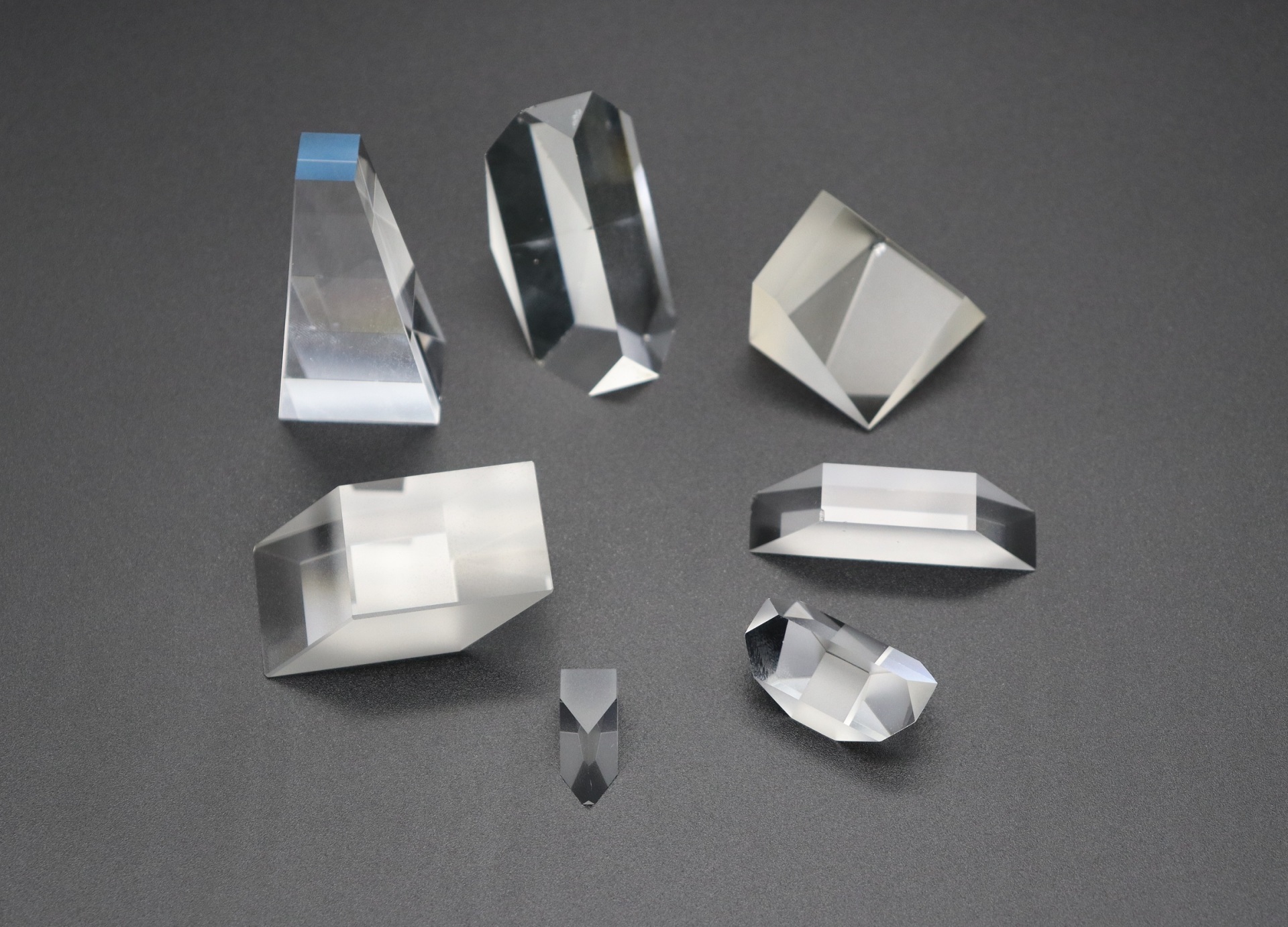
Choosing the Right Polarizing Cube for Your Optical Needs
Choosing the Right Polarizing Cube for Your Optical Needs When it comes to selecting a polarizing cube for optical applications, the decision can significantly impact the quality and functionality of your optical systems. A polarizing cube is an essential component that manipulates light, enhancing image clarity and contrast for various applications, including photography, microscopy, and scientif
2026-01-10

Understanding Scanning Galvanometers: Key Insights for Optical Instrumentation
Scanning galvanometers are precision devices used to control the angle of mirrors in laser systems, enabling rapid and accurate beam positioning. By converting electrical signals into angular displacement, these instruments facilitate the scanning of laser beams over surfaces or objects, making them essential in various applications ranging from laser engraving to medical imaging and even in advan
2026-01-07

Understanding Optical Waveplates: A Key Component in Optical Instruments
Optical waveplates are devices that alter the polarization state of light waves as they pass through. These components are made from birefringent materials, where the refractive index varies with the polarization direction of the light. By inducing a phase shift between the two orthogonal polarization components of light, waveplates can transform linearly polarized light into circular or elliptica
2026-01-01

Address: No. 170, Xingye Road, Mawei Science and Technology Park, Fuzhou City, Fujian Province, P.R.China
Tel: +86-591-83856679
Fax: +86-591-83856371
Email: sales@newsandgy.com

