

BLOG
BLOG
knowledge

The Future of Optical Technology: Cube Beamsplitters Leading the Way
The Future of Optical Technology: Cube Beamsplitters Leading the Way Table of Contents 1. Introduction to Optical Technology 2. Understanding Cube Beamsplitters 3. How Cube Beamsplitters Work 4. Applications of Cube Beamsplitters in Various Industries 5. Advantages of Using Cube Beamsplitters 6. Challenges in Cube Beamsplitter Technology 7. The Future of Cube Beams
2026-03-19
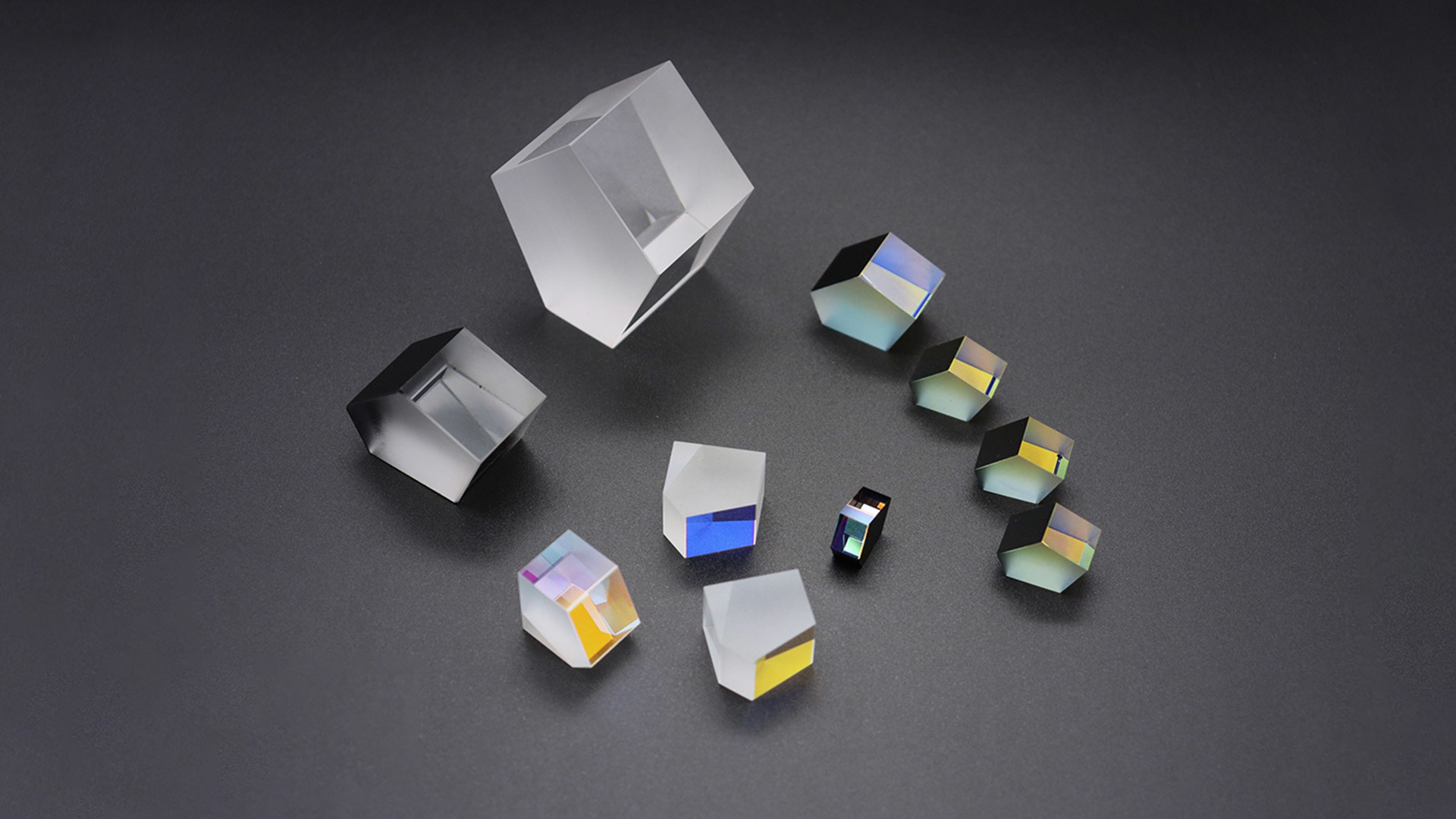
Understanding Quarter Waveplates: Essential Tools in Optical Applications
--- Quarter waveplates are critical components in the realm of optical instruments, particularly in applications where the manipulation of light polarization is required. These devices are designed to introduce a phase shift of 90 degrees (or one-quarter of a wavelength) between two orthogonal polarization states of light passing through them. This unique property makes quarter waveplates indispen
2026-03-14

How Polarizing Cubes Enhance Image Quality in Optical Instruments
How Polarizing Cubes Enhance Image Quality in Optical Instruments Table of Contents 1. Introduction to Polarizing Cubes 2. Understanding the Science Behind Polarization 2.1 What is Light Polarization? 2.2 How Polarizing Cubes Work 3. Applications of Polarizing Cubes in Optical Instruments 3.1 Use in Photography and Videography 3.2 Applications in Scientific Research 3.3 Role in I
2026-03-09

Understanding Scanning Galvanometers: Key Insights for Optical Instrumentation
Scanning galvanometers are critical components in optical instrumentation, particularly within the realm of optical lenses and prisms. These devices are employed to direct laser beams with remarkable precision and speed, making them indispensable in various applications, including laser scanning, imaging, and material processing. Understanding the technical details and operation of scanning galvan
2026-03-04
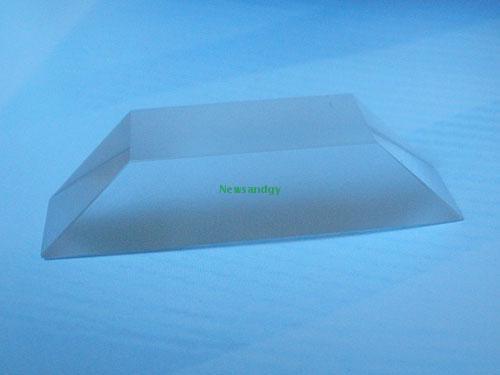
The Physics Behind Beamsplitter Prisms: A Comprehensive Simplified Explanation
The Physics Behind Beamsplitter Prisms: A Comprehensive Simplified Explanation Table of Contents 1. Understanding Beamsplitter Prisms 2. How Beamsplitter Prisms Work 3. Types of Beamsplitter Prisms 4. Applications of Beamsplitter Prisms 5. Advantages of Using Beamsplitter Prisms 6. Disadvantages of Beamsplitter Prisms 7. Maintenance and Care for Beamsplitter Prisms
2026-02-27

Understanding Optical Waveplates: Essential Tools in Modern Optics
Optical waveplates, also known as phase plates, are optical devices that alter the phase relationship between the components of light waves. They are typically made from birefringent materials, meaning that they possess different refractive indices for light polarized in different directions. This property allows them to introduce a specific phase shift between the ordinary and extraordinary rays
2026-02-22
A Comprehensive Beginner's Guide to Cube Beamsplitters: Functions, Applications, and Selection
A Comprehensive Beginner's Guide to Cube Beamsplitters: Functions, Applications, and Selection Table of Contents Introduction to Cube Beamsplitters What is a Cube Beamsplitter? How Cube Beamsplitters Work Types of Cube Beamsplitters Polarizing Cube Beamsplitters Non-Polarizing Cube Beamsplitters Applications of Cube Beamsplitters
2026-02-17
Understanding the Role of Quarter Waveplates in Optical Applications
Quarter waveplates are essential optical devices used to manipulate the polarization of light waves in various applications. They operate on the principle of birefringence, which is the property of a material to refract light at different velocities depending on its polarization direction. A quarter waveplate specifically introduces a phase difference of 90 degrees (or one-quarter of a wavelength)
2026-02-12

Address: No. 170, Xingye Road, Mawei Science and Technology Park, Fuzhou City, Fujian Province, P.R.China
Tel: +86-591-83856679
Fax: +86-591-83856371
Email: sales@newsandgy.com

